What Happens When You Stop Weight Loss Drugs?
For some people, stopping treatment can lead to increased appetite and weight regain. Understanding why this happens, what these medications can accomplish, and how healthy lifestyle habits contribute to long-term success can help you make informed decisions.


How Do GLP-1 Weight Loss Drugs Work?
Although Ozempic and Wegovy contain the same active ingredient, semaglutide, they have different approved uses. Wegovy is approved for certain weight-management indications, while Ozempic is primarily prescribed for type 2 diabetes and certain related health risks.
These medications can provide meaningful health benefits for appropriate patients. However, they are not substitutes for balanced nutrition, physical activity, and ongoing medical care.
What Weight Loss Medications Can Help With
- Reducing appetite and food cravings
- Supporting clinically meaningful weight loss
- Improving certain metabolic health measures
- Helping eligible patients manage weight-related health risks
Treatment decisions should always consider individual health needs and medical guidance.
What Happens When You Stop Weight Loss Drugs?
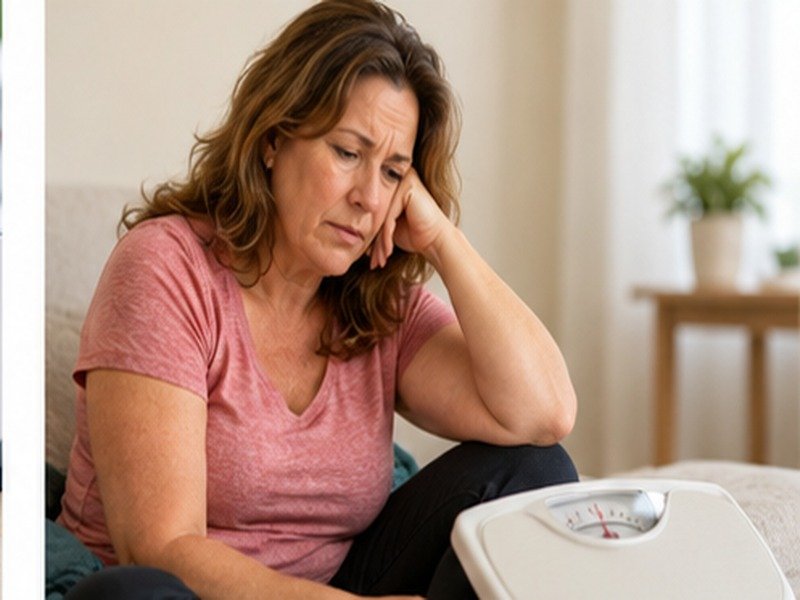
When treatment stops, appetite may increase as the medication’s effects diminish. Some people experience renewed hunger, changes in food intake, and gradual weight regain.
Clinical research has shown that participants who discontinued semaglutide regained a substantial portion of their previous weight loss over the following year, on average. However, individual experiences vary.
Common Challenges After Discontinuation
- Increased hunger or appetite
- Difficulty maintaining previous portion sizes
- Weight regain over time
- Changes in blood sugar or other health measures
- The need for an updated weight-management plan
Washington University School of Medicine discusses concerns about losing certain cardiovascular and metabolic improvements after stopping treatment.

Why Healthy Habits Still Matter
Important Habits for Long-Term Success
Balanced nutrition: Choosing a variety of nutritious foods supports overall health.
Appropriate portions: Recognizing hunger and fullness supports consistent eating patterns.
Regular physical activity: Movement can help preserve muscle and improve fitness.
Behavior change: Managing stress and building routines supports progress.
Ongoing support: Coaching or medical follow-up can help with challenges.
Weight management is not simply a matter of willpower. Biology, medications, medical conditions, environment, and lifestyle all influence results.
Benefits and Limitations of Weight Loss Medications
Factors Worth Considering
Side effects: Nausea, vomiting, diarrhea, constipation, and other adverse effects may occur.
Medical suitability: These medications are not appropriate for everyone.
Ongoing treatment: Some patients may benefit from continued medication to maintain results.
Cost and insurance: Costs vary depending on coverage and medication.
Personal preferences: Some people prefer lifestyle coaching; others benefit from combining it with medical treatment.
There is no single treatment that works best for everyone.


Can You Maintain Weight Loss Without Medication?
Strategies That May Help
- Establish realistic, individualized goals.
- Follow a balanced eating plan.
- Include appropriate physical activity.
- Monitor progress beyond the scale.
- Seek professional guidance when needed.
- Develop a maintenance strategy.
People considering stopping prescription weight-loss medication should discuss the decision with their prescribing healthcare professional.
Building a Long-Term Weight Management Plan
Understanding what happens when you stop weight loss drugs is an important part of building a successful long-term weight management plan.
Some people benefit from medication combined with lifestyle changes. Others may pursue a structured lifestyle-based program without prescription medication.
Focus on Sustainable Progress
- Can I maintain this eating pattern?
- Am I receiving adequate nutrition?
- Does this approach fit my health needs?
- What support will I have?
- How will I maintain my progress?

Frequently Asked Questions
Will I regain weight after stopping Ozempic or Wegovy?
Weight regain is common after discontinuing semaglutide, but the amount varies. A healthcare professional can help develop an appropriate maintenance plan.
Are GLP-1 medications intended for long-term use?
For some patients, long-term treatment may be appropriate. The decision depends on the medication’s approved use, individual benefits, potential risks, and medical guidance.
Can lifestyle changes help maintain weight loss?
Healthy eating, physical activity, behavioral strategies, and ongoing support can contribute to weight maintenance. They do not guarantee that weight regain will be prevented.
Should I stop taking weight-loss medication?
Do not discontinue prescribed medication without consulting your healthcare professional. Your clinician can help evaluate treatment options and develop a safe plan.
Explore a Lifestyle-Based Approach to Weight Management
At Pure Path Slimming, we believe developing healthier habits is an important part of long-term weight management. Our structured 28-day program combines personalized coaching, practical nutrition guidance, and ongoing support.
The program is designed for people interested in a lifestyle-focused approach to weight management.
Medical disclaimer: This article is for educational purposes and is not a substitute for professional medical advice. Consult a qualified healthcare professional before starting, stopping, or changing prescription medication or beginning a significant weight-loss program.
Hi,
I agree that weight loss takes consistent effort, and finding the right support can make a difference. I use this resource to compare medical weight loss programs and explore available options: https://rolandmedicalweightloss.com/comparison/compare-roland-medical-weight-loss-programs/